
How to Choose the Best Water Filtration System for Your Lafayette Home
If you live in Lafayette, LA, you know water quality can feel different from neighborhood to neighborhood. City water comes from deep aquifers and is treated to be safe, yet many homeowners still notice chlorine taste, mineral buildup, or fine sediment. Choosing the right water filtration system can make every glass of water taste better and help protect your fixtures and appliances. This guide walks you through what matters most and how to pick a solution that truly fits your home. If you want to see what a tailored setup looks like, explore our water filtration systems we install across the Lafayette area.
Know Your Lafayette Water and Your Goals
Lafayette’s municipal supply is treated to meet strict standards, including softening, filtering, and disinfecting. That’s great for safety, but taste and comfort are personal. Around River Ranch, Broadmoor, Freetown, and parts of Scott and Carencro, residents commonly mention a light chlorine odor, visible particles after line work, or limescale on fixtures. If you’re on the outskirts with private wells, your needs may be different than in-town customers.
Start by defining what you want to improve. Are you after better taste and odor? Clearer water for showers and laundry? Scale reduction to help your water heater and fixtures? Your goals determine the type of system, not the other way around.
Common Filtration Technologies and When They Fit
Activated Carbon (Whole‑Home or Under‑Sink)
For many Lafayette homes, a water carbon filter is the first and most noticeable upgrade. Carbon media adsorbs chlorine and many taste-and-odor compounds, so water smells fresher and tastes cleaner at every tap. Whole-home carbon units treat water for the entire house; under-sink units target a single faucet.
Sediment Filtration
After main breaks or seasonal line flushing, tiny particles can show up at the tap. A simple sediment prefilter (often installed before carbon) catches sand, rust, and grit so it never reaches fixtures or appliances.
Reverse Osmosis (Point‑of‑Use)
Reverse osmosis (RO) is a point-of-use system for extra-polished drinking water. It’s ideal for families who want very low dissolved solids at the kitchen sink or refrigerator line. RO shines for taste-sensitive cooking and beverages.
UV Disinfection (Add‑On)
UV systems inactivate microorganisms without adding chemicals. They’re often added on where extra peace of mind is desired or for certain well-water concerns. UV is not a substitute for filtration; it complements it.
Water Softeners vs. Filters
Softeners reduce hardness minerals that cause scale, helping water heaters, faucets, and glassware. They don’t remove chlorine or most taste-and-odor compounds. Many Lafayette homes pair a softener with a carbon filter for full comfort and protection.
- Use carbon to improve taste and reduce chlorine.
- Use sediment filters to catch particles before they reach fixtures.
- Use RO for premium drinking water at one tap.
- Add UV for microbiological protection when needed.
- Use a softener to cut scale; pair it with carbon for best results.
Whole‑Home vs. Point‑of‑Use: Which Fits Your Family
Whole-home systems treat all water entering the house. Showers feel better, laundry rinses cleaner, and fixtures see less wear. If your main complaint is the taste of cold drinking water, a point-of-use RO at the kitchen sink may be enough. Many Lafayette families choose a hybrid: a whole-home carbon filter for taste and odor everywhere, plus a single RO faucet for cooking and ice.
If your biggest pain is chlorine smell throughout the house, start with a whole-home carbon unit and consider an RO system for the kitchen.
How to Size and Specify the Right System
The best system for a small bungalow near Downtown won’t match a five-bath home in River Ranch. Oversized equipment wastes media; undersized systems reduce pressure and performance. A licensed pro will match capacity and flow to your plumbing and daily use.
Key factors to dial in before you buy:
- Household size and simultaneous water use (showers, laundry, dishwasher)
- Pipe size and water pressure, including high-demand times
- Measured water hardness and target reduction level
- Specific water goals: taste, odor, sediment, scale, or all of the above
- Space for tanks and bypass valves near the main line and water heater
Don’t ignore flow rate and pressure—those two numbers make or break whole‑home performance.
Certification, Media Quality, and Maintenance
Look for systems tested to NSF/ANSI standards for the claims they make. Higher grade carbon media can outperform bargain models, especially for chlorine taste and odor. Plan for periodic media changes, simple inspections, and timely filter replacements so performance stays consistent. A dependable service schedule keeps your investment humming through Lafayette’s humid summers and short cold snaps.
Local Considerations in Lafayette, LA
Lafayette’s water is treated and monitored, but homeowners sometimes notice changes after heavy rains, nearby line repairs, or seasonal flushing. In neighborhoods like Broadmoor and along Ambassador Caffery, residents often say taste and odor vary during the year. A whole-home carbon unit helps smooth out those swings so showers, laundry, and everyday cooking feel consistent.
If you’re on a private well outside the city limits, you may face different concerns. Work with a pro to test and design the right mix—sediment control, carbon filtration, softening, and, if indicated, UV. That way, you know your system targets the real issues at your address rather than a generic checklist.
Installation Details That Protect Your Home
Clean, code‑ready installation matters as much as the equipment. Your plumber should include proper shutoffs and a bypass loop, position tanks to allow easy maintenance, and confirm that flow and pressure stay steady when two or three fixtures run at once. That’s the difference between a system you forget about and one that frustrates you.
For full‑home comfort, many Lafayette homeowners choose a carbon filter as the first stage and add a softener or RO where it makes sense. The result is better‑tasting water at every tap and fewer scale issues in water heaters, shower heads, and glassware.
Why Work With a Local Expert
Local water and plumbing vary from Scott to Youngsville to Broussard. A seasoned team has seen the patterns—what works in older Broadmoor homes with galvanized tie‑ins, which setups pair best with newer PEX manifolds, and how to keep pressure stable during peak shower time. Partner with a trusted lafayette plumber who can size, install, and maintain your system with the right parts and know‑how.
When you’re ready to compare whole‑home water filters and point‑of‑use options side by side, take a look at our Lafayette solutions here: whole‑home water filters that fit real family routines.
Putting It All Together: Your Best‑Fit Plan
Here’s a simple way to decide. If taste and odor are your biggest complaints, start with a whole‑home carbon system and consider RO for the kitchen. If scale drives you crazy, add a softener to protect fixtures and your water heater. For wells or special concerns, include targeted testing and add sediment or UV as needed. The right plan solves today’s problem and keeps your water comfortable through Lafayette’s long, hot summers and busy holiday seasons.
Choose equipment that’s certified, sized for your plumbing, and installed with a clean bypass and shutoffs. Keep maintenance simple and consistent so performance stays strong year‑round.
Ready To Improve Your Water Quality?
Get clearer, fresher water throughout your Lafayette home with a system tailored to your needs. Talk with Geaux Flow Plumbing Repairs, LLC today at 337-905-1601 or explore our water filtration options to see what fits best.
Get A Free Quote
Our Services
-
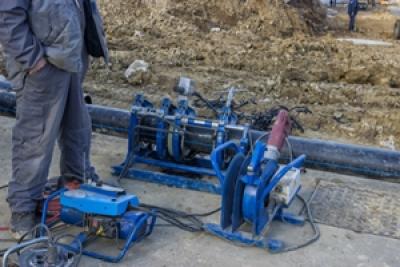
Backflow Testing
Learn More About Backflow Testing -
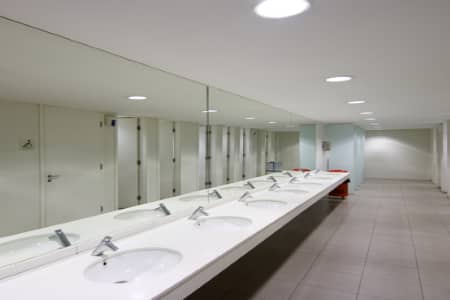
Commercial Plumbing
Learn More About Commercial Plumbing -
Drain Line Clogs
Learn More About Drain Line Clogs -
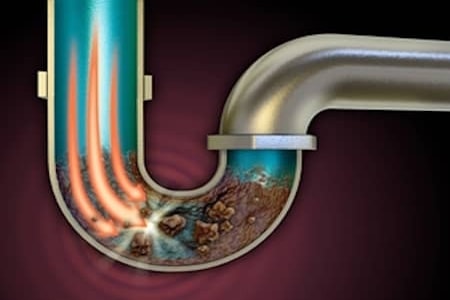
Drain Repair
Learn More About Drain Repair -
Emergency Plumbing
Learn More About Emergency Plumbing -
Gas Line Installation
Learn More About Gas Line Installation -
Gas Line Repair
Learn More About Gas Line Repair -
Leak Detection & Repair
Learn More About Leak Detection & Repair -
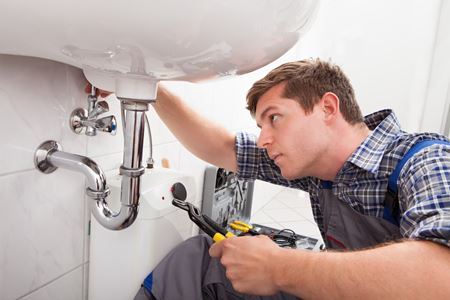
Plumbing Installation & Repairs
Learn More About Plumbing Installation & Repairs -
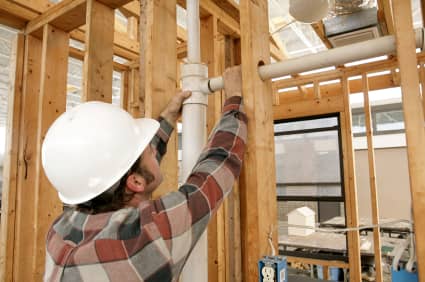
Remodeling & New Construction Plumbing
Learn More About Remodeling & New Construction Plumbing -
Sewer Lines
Learn More About Sewer Lines -
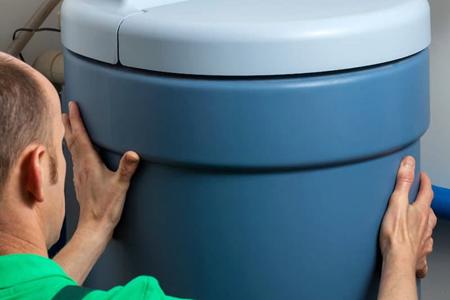
Water Filtration Systems
Learn More About Water Filtration Systems -
Water Line Repair
Learn More About Water Line Repair -
Water Line Replacement
Learn More About Water Line Replacement
