
Tank vs. Tankless Water Heaters in Lafayette: Which Saves More Money?
Lafayette homes rely on steady hot water for showers, cooking, and laundry, so choosing between tank and tankless water heaters can feel like a big decision. If you’re comparing options and want to reduce monthly bills without sacrificing comfort, you’re in the right place. For a deeper look at upgrades and expert installation that fits your home, explore water heater installation with a local pro you can trust.
How Tank Water Heaters Work
Traditional tank water heaters warm and store a large volume of water, usually 40–50 gallons. The tank reheats as the water cools, which keeps hot water ready but also uses standby energy. In neighborhoods like River Ranch, Broadmoor, and Carencro, these units are common because they’re straightforward, familiar, and easy to pair with most floor plans.
Tank units handle short, back-to-back uses well. But if several fixtures run at once, the tank can empty, and you’ll wait for it to reheat. That’s the main comfort tradeoff to consider when you have a busy household or frequent guests.
How Tankless Water Heaters Fit Lafayette Lifestyles
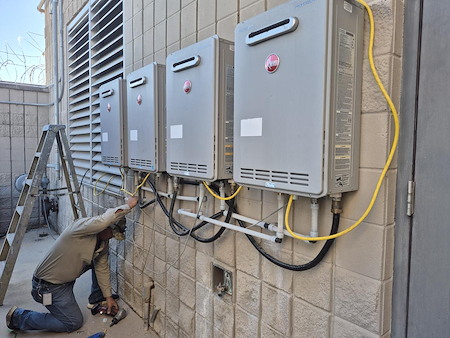
Tankless systems heat water only when a tap is opened. That means no storage tank and far less standby energy. Families in Youngsville, Scott, and Broussard often like the compact size, since the wall-hung design frees up floor space in closets and garages.
A properly sized tankless can deliver continuous hot water for one or more fixtures. If it’s undersized, though, you could feel a drop when a shower and dishwasher run together. Tankless systems save energy only when they’re correctly sized and installed for your home’s real hot water demand.
Energy Use and Monthly Bills
The biggest driver of savings is how often your home needs hot water and how it’s used across the day. Tank models use energy to keep water hot even when no one’s using it. Tankless models skip that standby loss, which can trim energy use over the year.
Season matters, too. Winter cold snaps in Acadiana bring cooler inlet water, so both types work harder to reach your set temperature. In the long run, many Lafayette homeowners see lower energy use with tankless, especially in smaller households with spread-out usage. Larger households can also benefit from the right capacity and layout.
Hot Water Demand: Showers, Guests, and Big Families
Match the system to your peak demand. Think about what runs at the same time: two showers, a washing machine, and a kitchen sink can stretch any heater. A family near Downtown Lafayette with frequent visitors might favor a high-capacity tank or a properly sized tankless to cover those busy hours.
- If you often run multiple fixtures at once, size a tankless by total flow rate and temperature rise to maintain pressure and temperature.
- If your schedule is staggered and predictable, a right-sized tank can be a solid, simple choice.
Space, Venting, and Placement
Space is tight in many Lafayette homes, especially townhomes and older cottages. Tankless units mount on a wall, freeing storage space and leaving more room for tools, holiday boxes, or a second appliance. Tanks need floor space and clearance for service, which can crowd a small utility room.
Both gas and electric models have venting and electrical needs that must follow manufacturer specs. Never install or modify gas or electrical connections without a licensed pro. Proper venting also protects indoor air quality, which matters in enclosed garages and closets common around Lafayette.
Lifespan and Maintenance Considerations
Tankless heaters typically last longer than standard tanks, thanks to their design and replaceable components. Tanks may need replacement sooner because of internal corrosion. In either case, water quality affects longevity. Lafayette’s water can leave mineral scale, which builds up on heating surfaces.
Hard minerals shorten heater life if you skip routine maintenance, especially on tankless heat exchangers. Pro service helps maintain efficiency and steady performance, so your system uses less energy to deliver the same comfort.
What Local Homeowners Usually Choose
Every home is different, but a few patterns show up across Lafayette neighborhoods:
- Smaller households or empty nesters in compact homes often lean toward tankless to save space and reduce standby energy.
- Busy, larger households may choose a high-efficiency tank or a higher-capacity tankless to keep showers hot during rush hour.
- Homeowners planning a remodel sometimes pick tankless to free closet space for storage or a stacked laundry.
If you’re adding bathrooms or a soaker tub, talk with a pro early. The right size and recirculation options can mean faster hot water at far fixtures and less water waste. When it’s time to replace, consider professional water heater installation so sizing, venting, and warranties are protected.
In larger Lafayette homes with long pipe runs, a properly designed recirculation loop can reduce the wait for hot water and cut water waste at distant fixtures. Ask about a timer or demand-controlled recirculation to avoid running the pump when you don’t need it.
Environmental Impact and Utility Considerations
Using less energy lowers your home’s carbon footprint. Tankless systems reduce standby loss, which helps. High-efficiency tanks also make steady gains with better insulation and smarter controls. If resilience is on your mind during storm season, talk with a pro about fuel type, venting, and safe restart procedures after an outage.
You’ll also want to consider available electrical capacity, gas line sizing, and vent routes in older homes. These details affect the installation scope and total project time. A quick walk-through by a local expert will reveal the simplest path forward.
Total Ownership: What Really Drives Savings
True savings come from the whole picture, not just the sticker on the unit. Consider energy use, expected lifespan, space value, and maintenance. Tankless often wins on energy and longevity, while tanks can be cost-effective for straightforward needs and predictable schedules.
In practical terms, think about your household pattern. If your family in Broussard runs two showers and a washer every morning, size for that peak. If your Carencro home uses hot water in short bursts throughout the day, tankless efficiency can shine. When in doubt, your trusted Lafayette plumber can help you weigh the tradeoffs.
Noise, Comfort, and Everyday Experience
Modern units are quiet, but there are differences. Tank heaters may make subtle sounds when reheating. Tankless systems click and ramp burners or elements when you open a tap. Placement matters. Wall-hung units in a hallway closet next to a nursery might not be ideal, while a garage or utility room is usually a better fit.
Temperature stability is another comfort factor. A well-sized tankless with proper flow controls keeps temperatures steady, even when fixtures start and stop. Tanks can show a gradual temperature drop under long, heavy use, but they’re smooth for most everyday tasks.
Space and Layout Payoffs
Space is premium in cottages near Downtown and townhomes along Kaliste Saloom. Moving from a tank to a tankless system can reclaim floor area for storage or a small workstation. In larger homes in River Ranch, a tankless water heater frees up room for a utility sink or extra shelving. Over the years of ownership, that space has real value for everyday life.
Which Saves More Money For Your Home?
There isn’t a one-size answer, because savings depend on your usage, home layout, and utilities. Many Lafayette homeowners see lower energy use with tankless, especially when daily demand is spread out, and the unit is sized right. High-efficiency tanks can compete well for families with predictable morning and evening peaks.
Here’s a simple way to think about it: choose tankless if you value space, longer service life, and lower standby costs, and choose a tank if you want straightforward operation and consistent performance for simultaneous use without complex sizing. Either way, installation quality protects comfort, warranties, and long-term efficiency. The most expensive water heater is the one that’s the wrong fit for your home.
Ready to compare options for your home’s layout and daily routines? Geaux Flow Plumbing Repairs, LLC helps Lafayette homeowners decide with clear guidance, sizing recommendations, and safe installation that matches their goals and utilities. Call 337-905-1601 to schedule a visit with Geaux Flow Plumbing Repairs, LLC today.
Get A Free Quote
Our Services
-
Backflow Testing
Learn More About Backflow Testing -
Commercial Plumbing
Learn More About Commercial Plumbing -
Drain Line Clogs
Learn More About Drain Line Clogs -
Drain Repair
Learn More About Drain Repair -
Emergency Plumbing
Learn More About Emergency Plumbing -
Gas Line Installation
Learn More About Gas Line Installation -
Gas Line Repair
Learn More About Gas Line Repair -

Leak Detection & Repair
Learn More About Leak Detection & Repair -
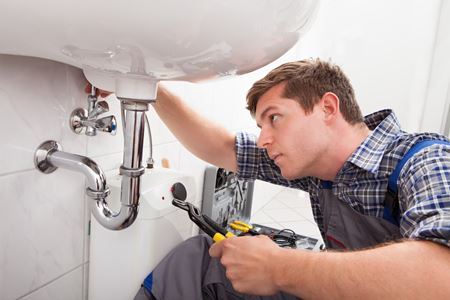
Plumbing Installation & Repairs
Learn More About Plumbing Installation & Repairs -
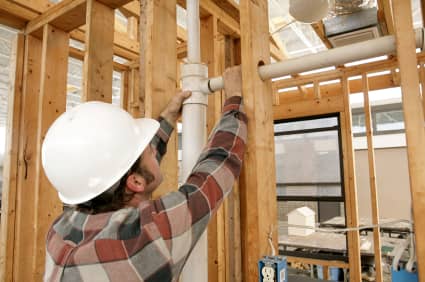
Remodeling & New Construction Plumbing
Learn More About Remodeling & New Construction Plumbing -
Sewer Lines
Learn More About Sewer Lines -
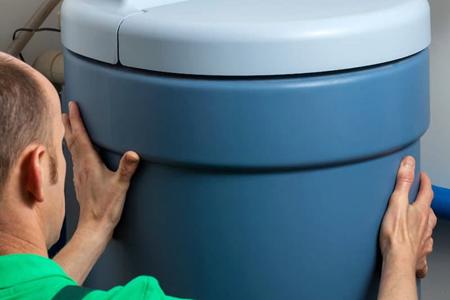
Water Filtration Systems
Learn More About Water Filtration Systems -
Water Line Repair
Learn More About Water Line Repair -
Water Line Replacement
Learn More About Water Line Replacement
